-
SQL Server on Linux Adds BULKADMIN Support: What DBAs Need to Know
Microsoft has made BULKADMIN support generally available for SQL Server on Linux in SQL Server 2025 CU9 and 2022 CU27. Learn what changes, which permissions remain necessary, and how to plan a least-privilege rollout.
-
Copilot in SharePoint: What the October 2026 Update Means for Site Owners
The October 2026 Copilot in SharePoint update adds new ways to work with documents, pages, workflows and analytics. Here is what site owners should check about availability, Copilot Credits and governance.
-
SharePoint to SQL Server Synchronisation: What to Monitor After Go-Live
A practical monitoring checklist for SharePoint-to-SQL Server synchronisation: define data freshness, check each stage, validate important records, and make alerts actionable.
-

SharePoint Power BI Report Not Updating After Refresh? Trace the Missing Change
If your SharePoint Power BI report is not updating after refresh, trace one changed item through the source, SQL reporting layer, semantic model and visual. A successful refresh confirms that an operation completed; it does not prove that the operation read the expected source or included the change you are looking for. This troubleshooting guide…
-

How to Apply Row-Level Security to Microsoft Lists Reporting in Power BI
Microsoft Lists and SharePoint lists are often where operational data starts. They are easy for business teams to manage, but they are not the same thing as a governed reporting security model. A common architecture question is this: how do you apply row-level security to Microsoft Lists reporting in Power BI without relying on SharePoint…
-
Modernisation Does Not Have to Mean Replacement
AI is changing technology quickly, but progress does not always begin by replacing what came before. A personal reflection on understanding existing systems before deciding what should change.
-

Microsoft Lists Reporting Without Another Cloud Copy: A Hybrid SQL Server Pattern for Governance and Power BI
Microsoft Lists and SharePoint lists are excellent operational tools. Teams can stand them up quickly, adapt columns as processes change, and keep day-to-day work inside Microsoft 365. The trouble starts when those same lists become important for governed reporting, audit retention, cross-system integration, or Power BI models that need to stay stable over time. A…
-
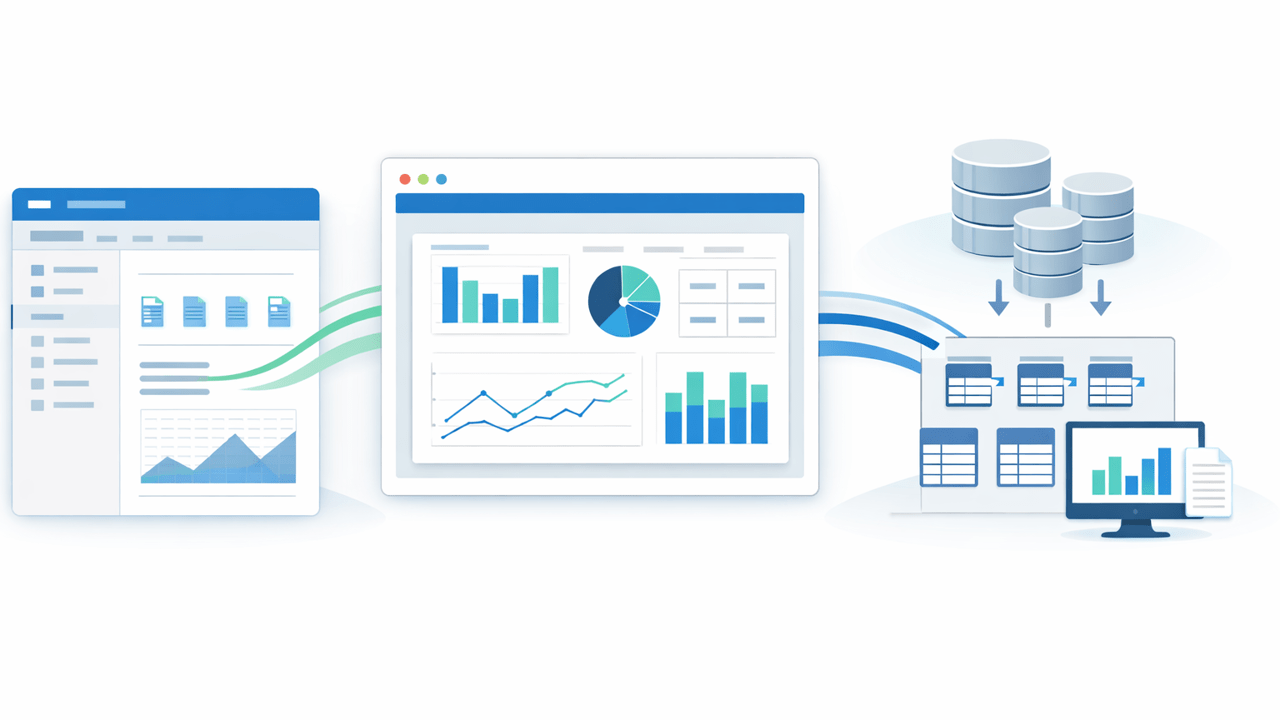
Power BI SharePoint Online Embedding in 2026: Why SQList Still Matters for SQL Server Reporting
Power BI’s July 2026 update made embedding reports in SharePoint Online easier. That is useful news for Microsoft 365 teams because it reduces friction when you want dashboards and operational reporting to appear where users already work. But easier embedding does not solve the harder problem underneath: where the SharePoint data should live before you…
-
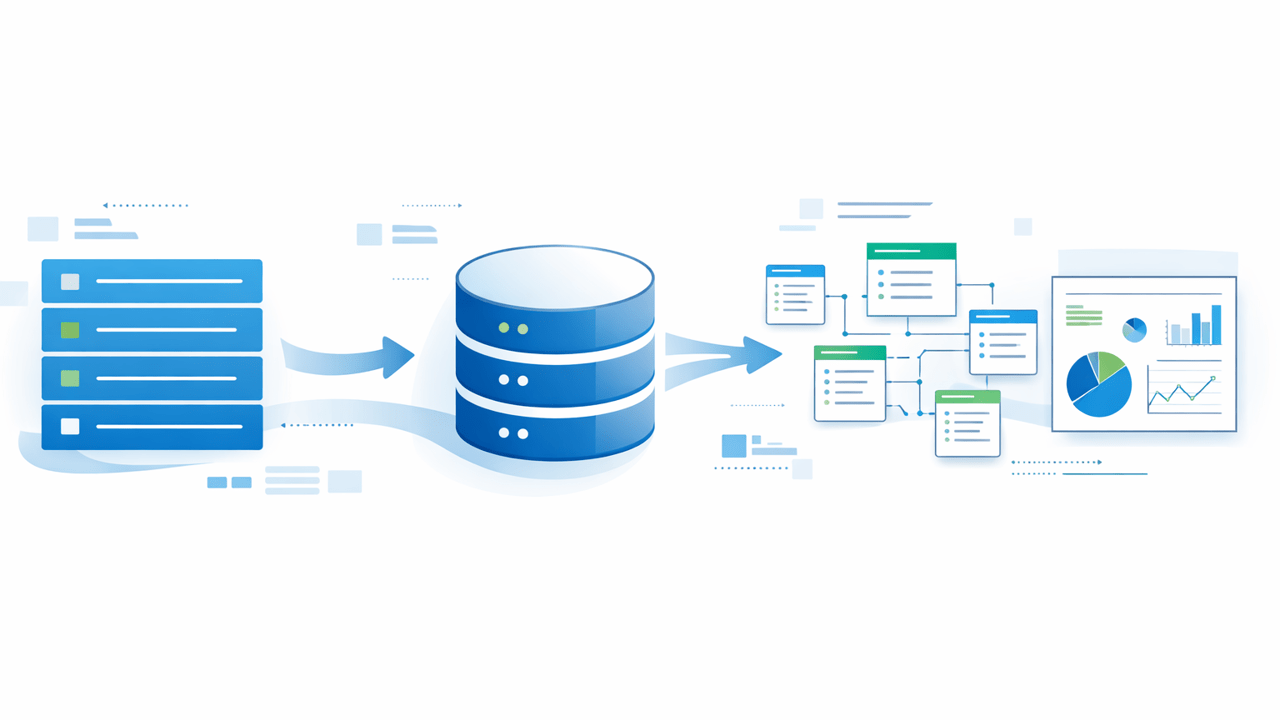
Power BI TMDL View: Why SharePoint Reporting Still Needs a SQL Server Layer
Power BI’s July 2026 update brings TMDL View to the web, giving developers and data teams a code-oriented way to inspect and modify semantic model definitions without switching to Desktop or downloading model files. It is a useful step toward more disciplined analytics development. It also highlights a boundary that many SharePoint and Microsoft 365…
-

SharePoint List Schema Changes: Keeping SQL Server Reporting and Fabric Models Stable with SQList
Microsoft’s June 2026 Power BI update and July 2026 Microsoft Fabric updates both push teams toward richer semantic models, more governed analytics, and more AI-assisted data work. That is useful progress, but it also exposes a weak spot many Microsoft 365 teams still have: SharePoint list schema changes. When business teams add columns, rename fields,…

AxioWorks