I have been reading a great deal recently, trying to understand where the technology market is going.
These are extremely fast-changing times. AI is developing at an extraordinary pace, new products seem to appear every day, and there are increasingly ambitious predictions about how businesses and jobs will change.
The potential is clear. What is less clear is where the lasting, practical value will eventually be found.
This is not the first time the technology industry has experienced change on this scale. Personal computers changed how businesses used technology. The internet changed how systems communicated and how companies reached their customers. Cloud computing changed how applications were built, operated, and purchased.
Every one of these changes created enormous opportunities. They also produced predictions that much of the technology that came before would quickly become obsolete.
That rarely happened as completely or as quickly as expected.
New technology was adopted, but it was also combined with what already existed. Some systems were replaced. Others were connected, improved, or adapted. Many continued operating quietly in the background because they still performed an important job reliably.
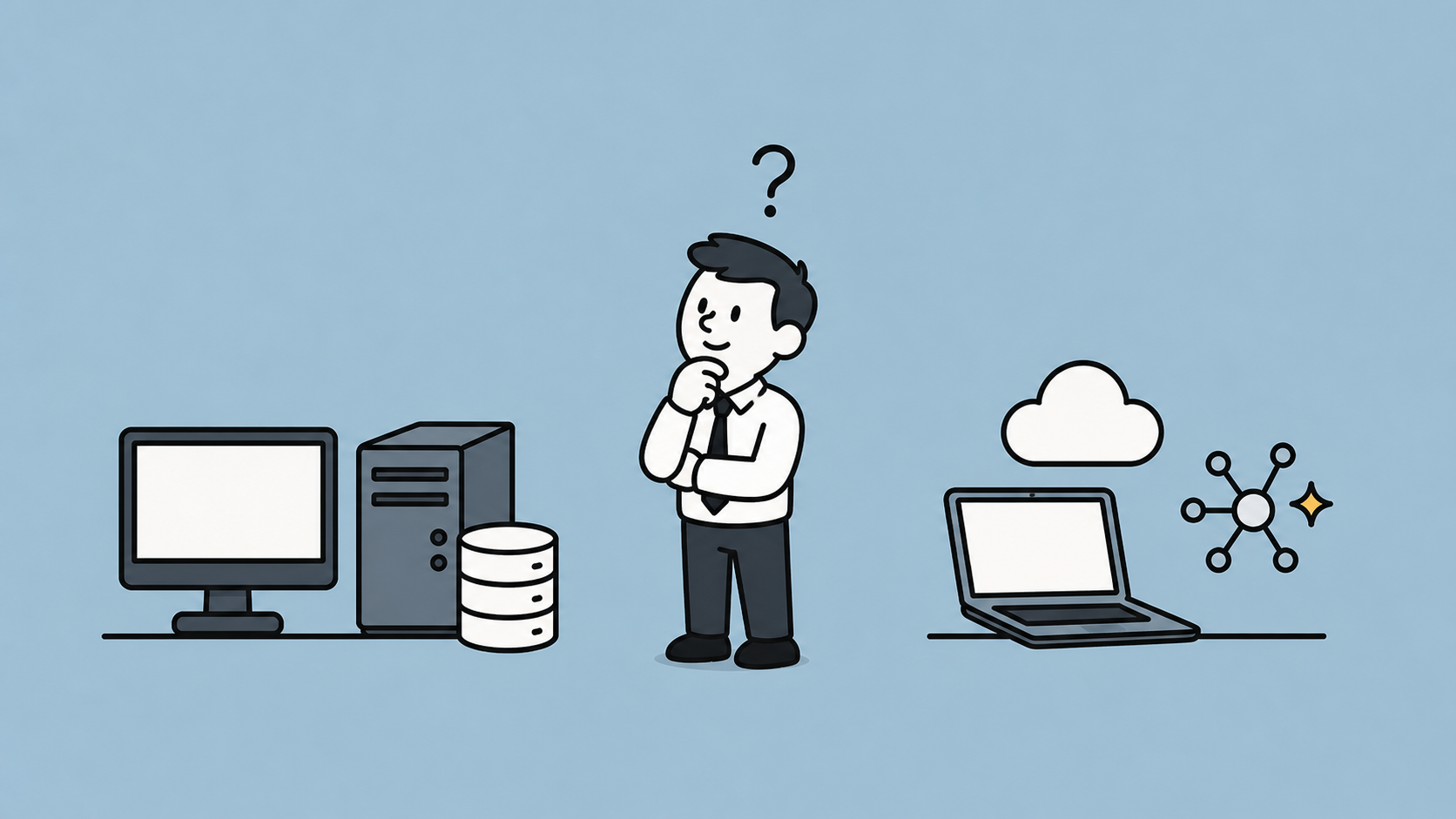
Thinking about AI and the changes happening now brought me back to a question that has existed throughout my career: does modernisation always have to mean replacement?
Many companies still depend on systems that have been operating successfully for years, sometimes decades. These systems may not use the latest architecture or have the most fashionable interfaces, but they perform essential work every day.
An established business system is rarely just an application and a database. Over time, it accumulates business rules, operational knowledge, integrations, exceptions, security decisions, reporting requirements, and ways of working.
Some of this will be documented. Much of it will not.
The real behaviour of a system may be understood only by the people who use it, support it, or depend on its information. Replacement projects often discover this gradually, after the complexity of the original system has already been underestimated.
The software may be replaceable. The knowledge embedded within it is much harder to reproduce.
This does not mean that existing systems should be preserved indefinitely. Unsupported software, unacceptable security risks, poor reliability, excessive maintenance costs, and an inability to support the business are all valid reasons for change.
But age alone is not an architectural problem.
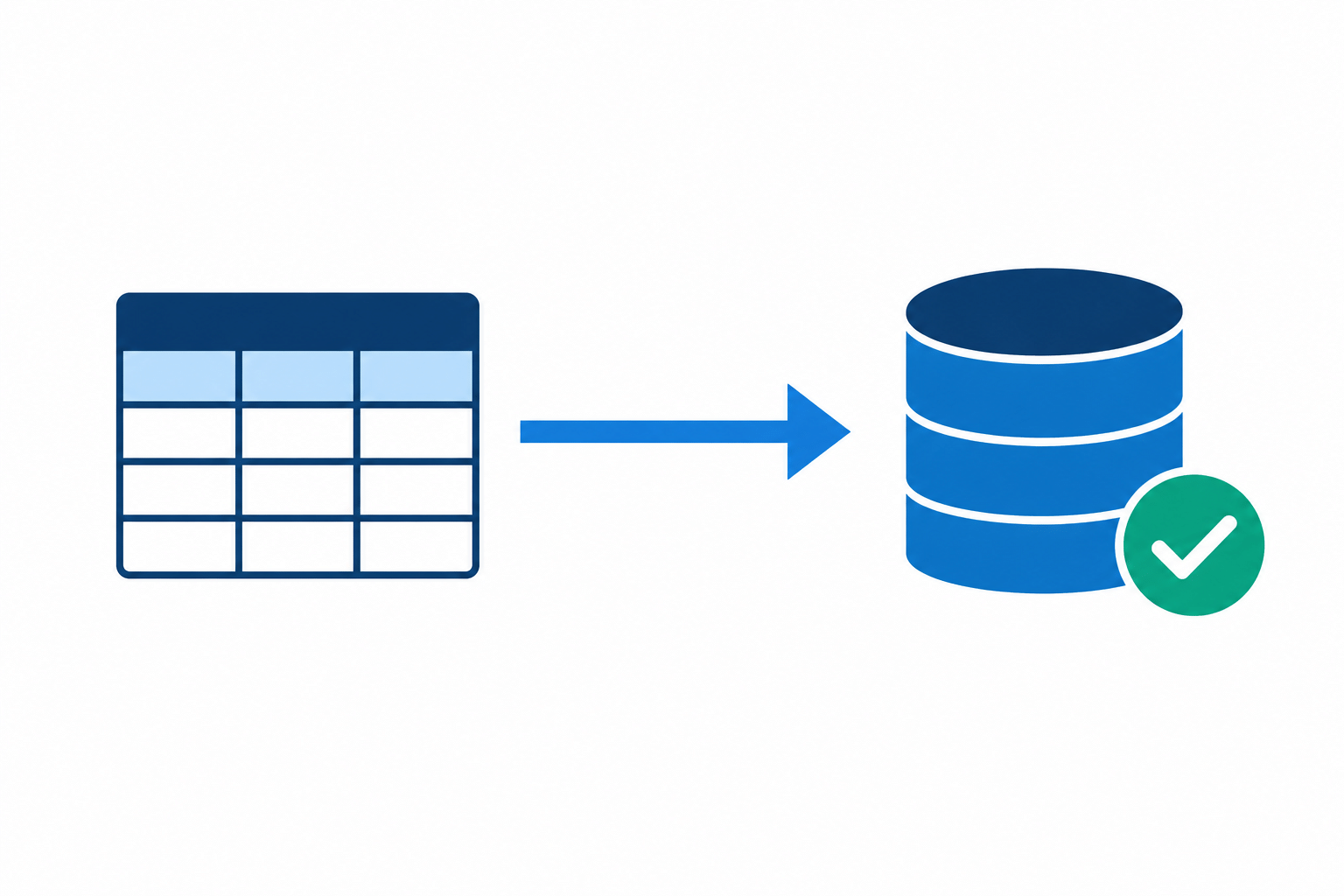
Modernisation can mean retaining a system that still works, stabilising it, connecting it to other systems, improving selected components, making its information available to reporting or automation, moving part of it to a different environment, or gradually replacing it where there is a clear reason to do so.
Replacement is one option. It is not the definition of modernisation.
It is interesting that Microsoft’s own Cloud Adoption Framework recommends assessing systems according to their business value and technical risk. It recognises that not every workload needs to be modernised immediately and warns against over-modernisation.
IBM makes a similar point in its material on application modernisation. It describes modernisation as improving an application to meet current requirements, rather than necessarily replacing it completely. It also discusses using APIs to connect established systems to modern applications without rebuilding everything behind them.
That seems to me a much more practical approach. Understand the business first. Understand the existing systems next. Then decide what genuinely needs to change.
It also reminds me of something my father used to say when he was a manager.
When discussions about new IT systems started to become more important than the business they were supposed to support, he would remind the other managers:
“Let’s not forget that this company produces beverages, not software.”
He was not against technology. His point was that technology was there to support the company, not to become the purpose of the company.
That distinction is still important.
A business does not become better simply because it has installed a newer platform. It becomes better if the new platform solves a real problem, reduces risk, improves a process, makes information more useful, or allows the company to do something valuable that it could not do before.
The same applies to AI.
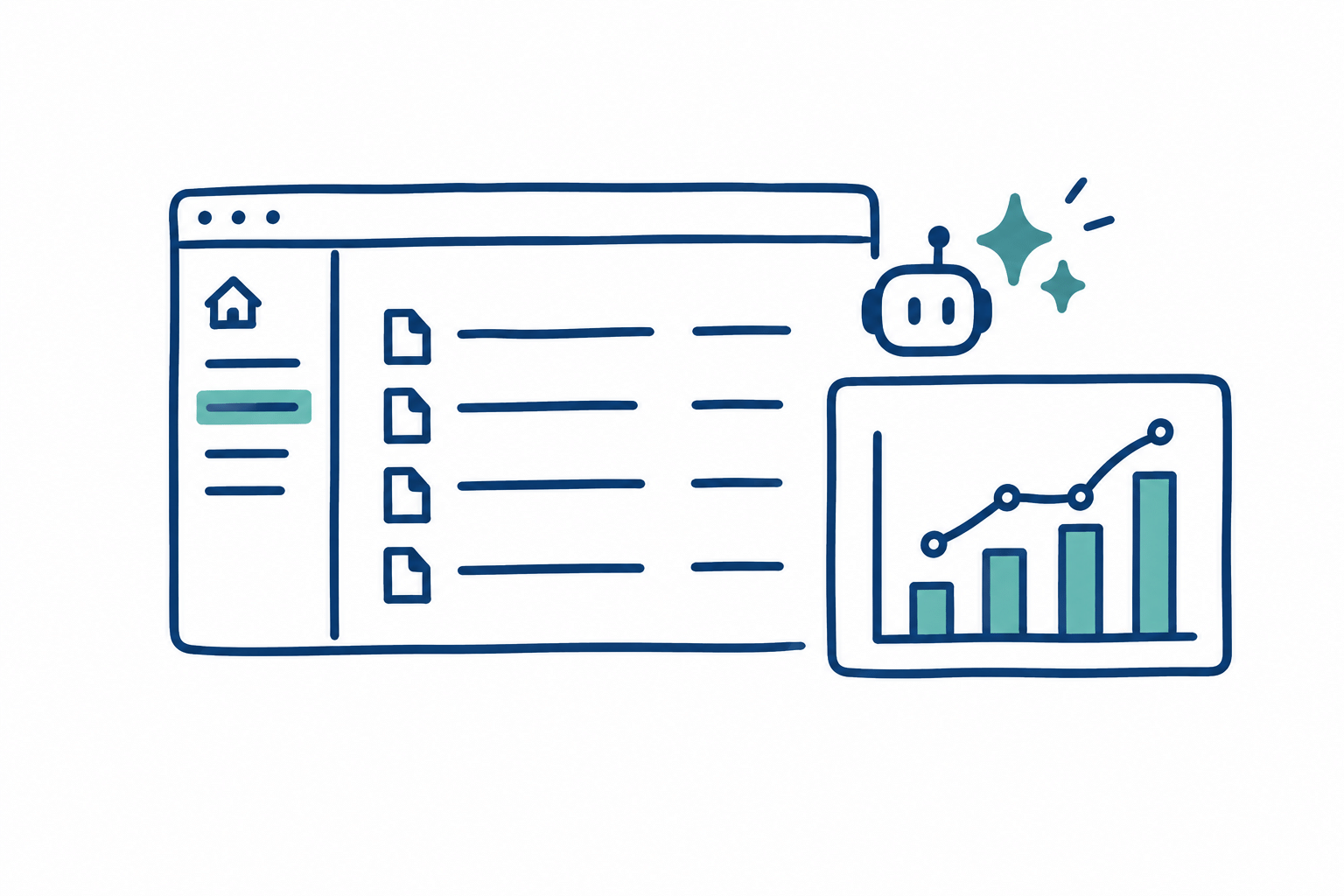
AI can summarise documents, classify messages, extract information, assist users, and support decisions. But useful enterprise AI does not operate in isolation.
It needs trusted information, appropriate permissions, reliable integrations, and clear processes around it.
Most organisations do not hold all their information in one new platform. It is spread across databases, business applications, document libraries, email, spreadsheets, cloud services, and on-premises systems.
One of the main challenges in adopting AI is therefore not selecting the model. It is understanding where the organisation’s information resides, deciding which information can be trusted, and making it safely available to the new capability.
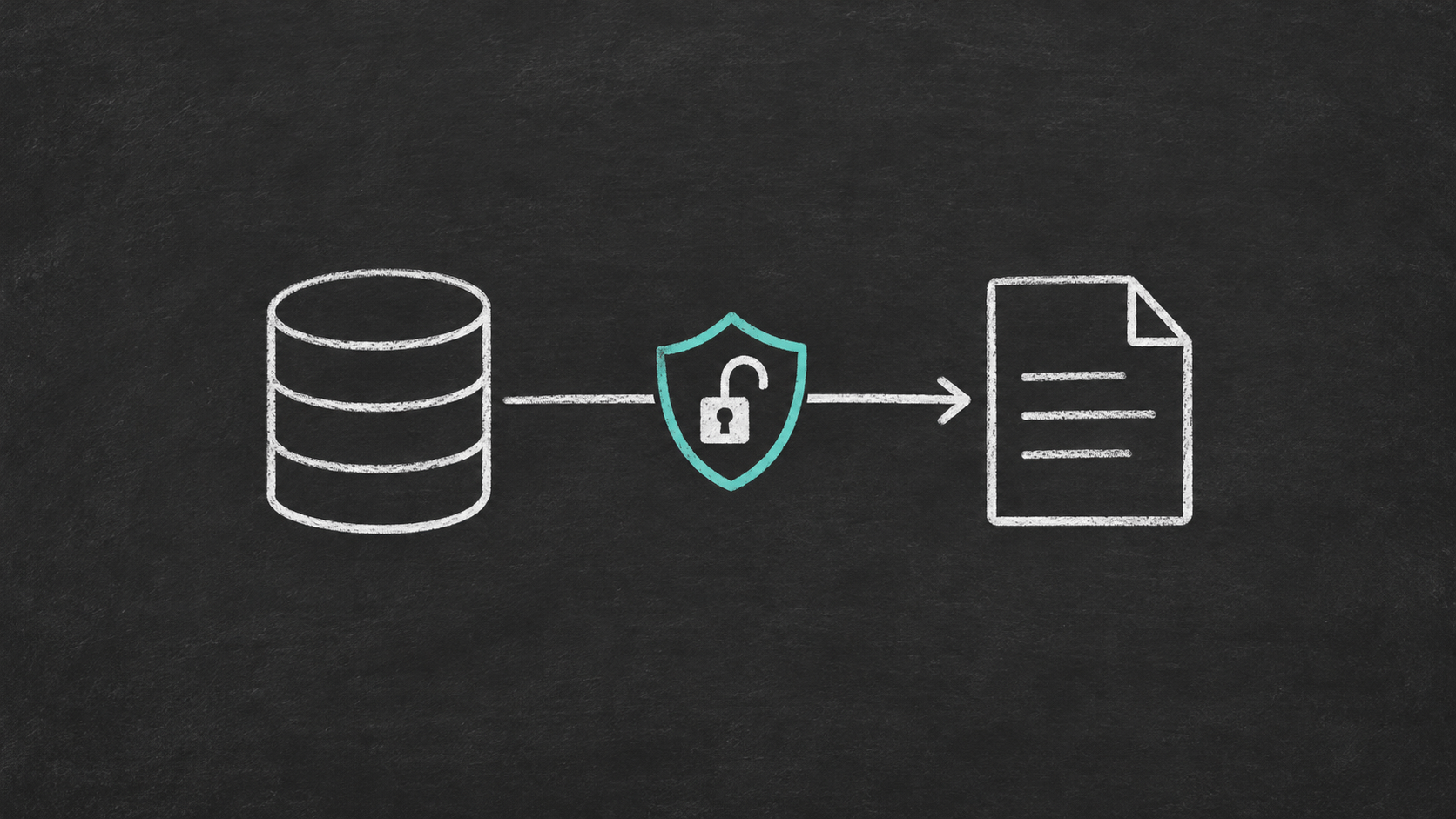
A company does not necessarily need to replace a reliable operational system before it can benefit from AI. It may only need to expose a carefully controlled part of that system through an integration or API.
Equally, not every task requires AI. If something can be completed reliably through a database query, a business rule, or conventional automation, adding an AI model may introduce cost, complexity, and uncertainty without producing additional value.
AI should be used where interpretation, language understanding, classification, summarisation, or reasoning is genuinely required—not simply because it is available.
Perhaps the most important work in modernisation happens before any new technology is selected. It means understanding which systems support critical operations, where important information is stored, how systems depend on one another, which business rules must be preserved, and what measurable improvement is actually required.
Without that understanding, a modernisation programme can deliver newer technology without delivering a better system.
A successful modernisation project might produce a completely new platform. It might also leave an established application in place while making its information easier to access, reducing manual work, improving resilience, and introducing a carefully chosen AI capability alongside it.
Both can represent genuine progress.
Technology should move forward. But progress does not always begin by discarding what came before. Sometimes it begins by understanding it properly and deciding, carefully, what should change.
Just a thought.
#Modernisation #AI #TechnologyStrategy #EnterpriseArchitecture #BusinessTechnology